Find Hidden Activity Before Damage Escalates
Termite Inspection in Plant City for properties with suspected infestations or before real estate transactions
Florida's subtropical climate creates year-round conditions that support termite colonies, and infestations often progress undetected until structural damage becomes visible. Safari Pest Control, LLC conducts termite inspections throughout Plant City and Tampa to identify active termite colonies, assess damage extent, and locate conditions that attract termites to a property. Inspections use professional tools to detect hidden activity inside walls, beneath flooring, and in foundation areas where termites establish feeding sites before spreading to other sections of the structure.
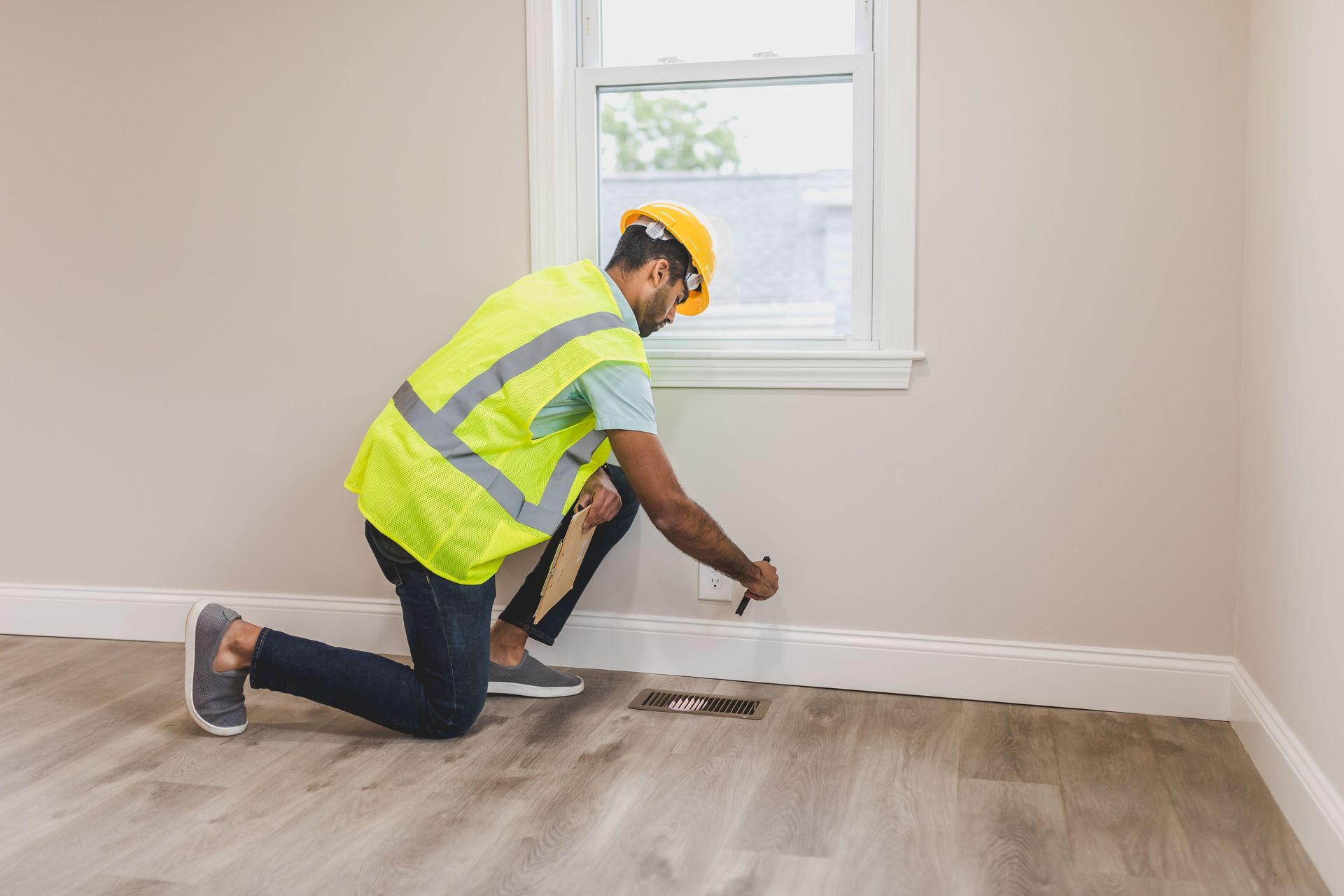
The inspection covers interior spaces including basements, crawl spaces, and attics, exterior perimeter areas where termites enter from the soil, and foundation walls where mud tubes and moisture damage typically appear. Technicians probe wood members to check for hollow sections, examine plumbing penetrations and expansion joints where termites bypass barriers, and use moisture meters to identify areas with elevated humidity that attract colonies. This comprehensive approach detects both active infestations and conditions that make the property vulnerable to future termite entry.
Schedule a property evaluation to identify termite activity and receive documentation required for real estate closings or treatment planning.
What a Thorough Inspection Reveals
Inspections document visible signs such as mud tubes running along foundation walls, discarded wings near windowsills from swarmer termites, and damaged wood that sounds hollow when tapped. Technicians also identify conducive conditions including wood-to-soil contact, moisture accumulation from leaking gutters or air conditioning condensation, and mulch or wood debris stored against the structure. Moisture meters detect elevated readings in wall cavities and floor joists where leaks or poor ventilation create environments termites prefer, even when no visible damage is present yet.
After the inspection, you receive a detailed report that maps where termite activity was found, describes the extent of any damage observed, and lists conducive conditions that increase infestation risk. Photographs document specific problem areas, and the report includes treatment recommendations based on whether the infestation is localized or widespread. This documentation provides the information needed to make treatment decisions and serves as the required disclosure for real estate transactions involving termite-prone properties.
Inspections reveal current problems but do not prevent future infestations. Properties in Plant City with sandy soil, high water tables, or mature landscaping near the foundation remain vulnerable to new termite colonies even after treatment. Annual inspections detect new activity before it causes significant damage, allowing for early intervention when treatment is less extensive and costly.
Contact Us
We will get back to you as soon as possible.
Please try again later.
Answers to Frequent Inspection Questions
Property owners preparing for inspections or responding to suspected termite activity often have specific concerns about what the process involves.
- What areas does the inspection cover? Technicians inspect all accessible interior spaces, the entire exterior perimeter, foundation walls, crawl spaces, attics, and any areas where moisture or wood-to-soil contact creates conditions favorable for termites.
- How long does a termite inspection take? Most residential inspections require 45 minutes to 90 minutes depending on property size, accessibility of crawl spaces and attics, and the extent of any damage that requires detailed documentation.
- What tools do inspectors use to find hidden termites? Inspections use moisture meters to detect elevated humidity inside walls, probing tools to test wood for structural integrity, and flashlights with mirrors to examine areas behind pipes and inside wall voids where termites build tunnels.
- Can an inspection detect termites if no visible damage exists? Yes, inspectors identify mud tubes, swarmer wings, frass, and conducive conditions that indicate termite presence even before wood damage becomes obvious, allowing for earlier treatment.
- When should properties in Tampa be inspected for termites? Annual inspections are standard for properties in Florida due to the year-round termite activity, with additional inspections recommended after purchasing a home, before selling, or when signs such as swarming or mud tubes appear.
Safari Pest Control, LLC provides written inspection reports within 24 hours of completing the evaluation, including all findings and treatment options. Request an inspection to document your property's current termite status and receive guidance on next steps.