Intercept Colonies Before They Reach Wood
Termite Bait Station System in Tampa for ongoing monitoring and colony elimination around residential properties
Termite activity near a structure often begins in the soil months before visible damage appears inside the home. Safari Pest Control, LLC installs termite bait station systems around properties in Tampa and Plant City to intercept foraging termites before they establish feeding sites in structural wood. This system creates a monitoring perimeter that detects termite movement underground and eliminates colonies through bait that workers carry back to the nest, addressing the infestation at its source rather than waiting for interior damage to appear.
Bait stations are installed at intervals around the property perimeter, placed in the soil where termites naturally forage for food sources. Each station contains monitoring material that attracts termites, and technicians check stations regularly to identify when termite activity is detected. Once termites begin feeding at a station, the monitoring material is replaced with active bait that termites consume and transfer throughout the colony, including to the queen and other members that never leave the nest.
Arrange an on-site consultation to evaluate your property perimeter and determine optimal bait station placement based on landscaping and soil conditions.
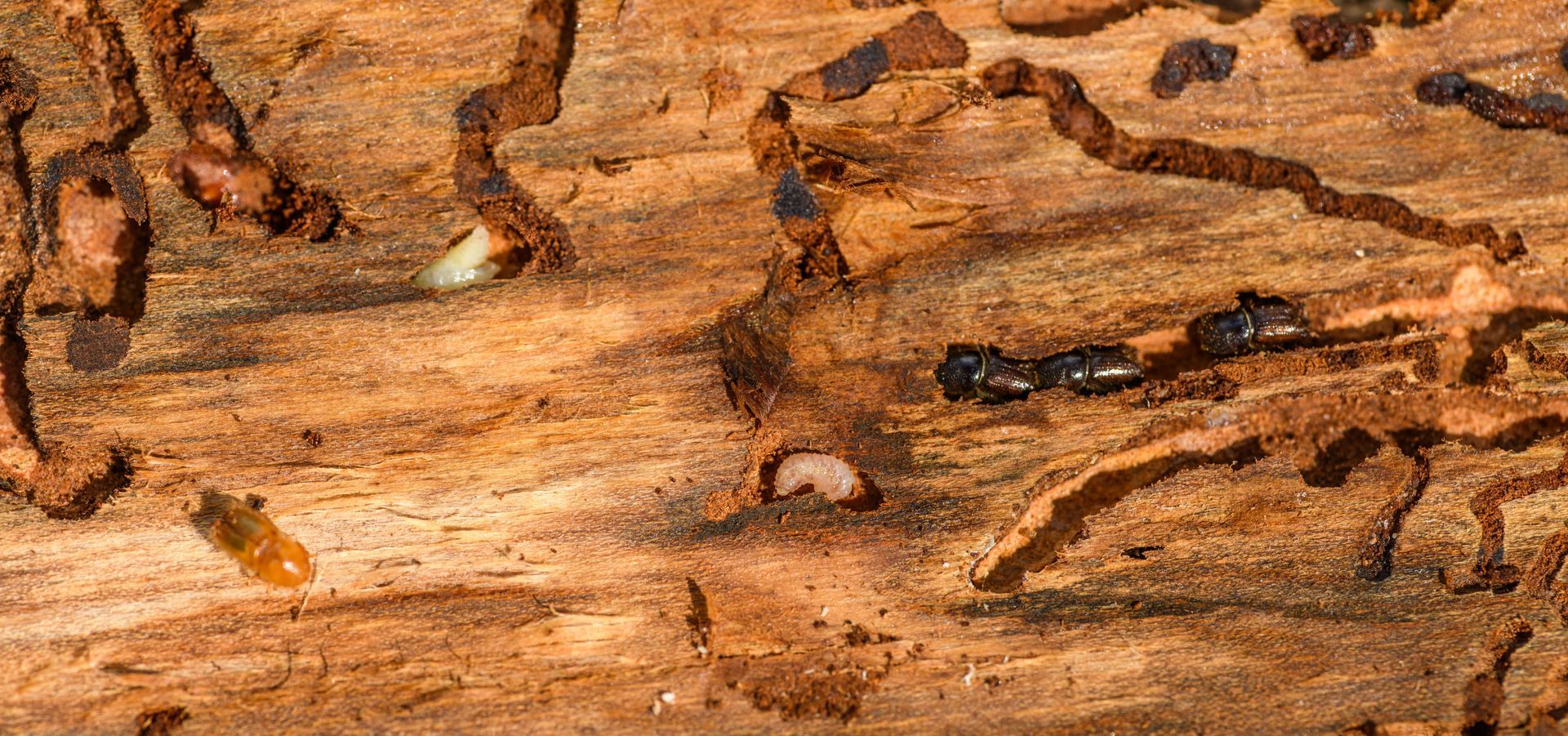
What Perimeter Monitoring Accomplishes Over Time
Station placement considers soil moisture patterns, proximity to structures, and areas where termites are most likely to forage based on landscaping features such as mulch beds, wood debris, and irrigation systems. Stations are set flush with the ground and marked for easy relocation during inspections, creating a network that covers potential entry points around the property. Regular inspections identify which stations show termite activity, allowing technicians to focus treatment on active colonies rather than applying broad treatments across the property.
Once bait is deployed in active stations, you will notice that termite activity gradually decreases over several weeks as the colony consumes the bait and the population declines. The bait disrupts the termites' ability to molt, which eventually collapses the colony since termites must molt to grow and reproduce. After the colony is eliminated, monitoring continues to detect new colonies that may enter the area, providing ongoing protection without repeated chemical treatments to the soil.
Bait systems work best when stations remain undisturbed and inspections occur on schedule, typically every 90 days. Landscaping changes, irrigation adjustments, or soil disturbance near stations can affect placement and may require repositioning. The system does not prevent termites from entering the property but intercepts them before they reach wood, making it effective for properties where soil treatments are not feasible or where ongoing monitoring is preferred over barrier treatments.
Contact Us
We will get back to you as soon as possible.
Please try again later.
Common Questions About Bait Station Systems
Homeowners considering bait stations want to understand how the system works and what level of protection it provides over time.
- How many bait stations does a property need? Station placement depends on the property's perimeter length and layout, with most residential properties requiring 10 to 20 stations spaced at intervals that ensure coverage around the structure and key landscape features.
- What happens when termites are detected at a station? Technicians replace the monitoring material with active bait and increase inspection frequency at that station to track feeding activity and confirm that the colony is consuming the bait.
- How long does it take for bait to eliminate a colony? Colony elimination typically occurs over several weeks to a few months, depending on colony size, feeding rate, and how many workers are actively foraging at the station.
- Do bait stations work in Tampa's sandy soil conditions? Bait stations function effectively in sandy soil because termites forage through all soil types when searching for food, and the stations provide a consistent attractant regardless of soil composition.
- What maintenance does the system require? Regular inspections every 90 days ensure that stations remain functional, monitoring material is intact, and any termite activity is detected early, with bait deployed as needed when activity is confirmed.
Safari Pest Control, LLC provides detailed inspection reports after each visit, documenting station conditions and any termite activity detected. Contact the office to schedule your initial bait station installation and first inspection cycle.